
Many drivers face a real decision when upgrading their car audio. Do you go wired or wireless? Both options have genuine strengths. Understanding wired and wireless connections helps you make a smarter choice for your vehicle.
This guide breaks down the key differences. It covers sound quality, connection stability, device compatibility, and more. By the end, you will know exactly what fits your driving experience.
Understanding Wired And Wireless Car Audio
Before diving into comparisons, it helps to understand what each system does. Wired car audio systems use physical cables to send audio signals from your source to your speakers. A wireless setup uses Bluetooth or Wi-Fi to send audio signals wirelessly instead.
Both approaches work well in the right context. The right choice depends on your priorities and how you use your car audio every day.
Sound Quality: Wired Vs. Wireless
Sound quality is the first thing most people ask about. Wired connections transmit audio information directly through a physical connection. There is no compression or interference involved in that process.
Wireless connections rely on Bluetooth technology to send audio signals. Bluetooth compresses audio data before transmitting it. That compression can affect frequency response and harmonic content slightly.
For most everyday listeners, the audible difference is small. Bluetooth sound quality has improved dramatically over the last few years. Modern codecs like aptX and LDAC narrow the gap between wired and wireless considerably.
Still, audiophiles who prioritize sound quality consistently choose wired. A wired connection gives the most consistent, uncompressed audio performance. If you want to prioritize sound quality above everything else, a wired setup wins.
For a real-world test, try playing a white noise track through both systems. White noise played back through a wired connection tends to reveal cleaner spectral analysis results. A second test using music with strong harmonic content will also highlight any differences.
Apple CarPlay And Android Auto: Wired Or Wireless?
Apple CarPlay and Android Auto have changed how drivers interact with their car’s infotainment system. Both platforms now offer wired and wireless versions.
Wired CarPlay connects your Apple iPhone using a Lightning cable or USB-C. It creates a stable, fast physical connection between your phone and your head unit. Wired CarPlay provides the most consistent connection for navigation, music, and hands free calling.
Wireless Apple CarPlay removes the cable from the equation entirely. Your phone connects automatically when it enters the vehicle. Many drivers love the convenience of wireless connectivity and the clean look inside the center console.
Wired and wireless CarPlay both offer the same core features. The difference comes down to connection stability and sound quality performance. Wired CarPlay maintains a more reliable connection during long drives and extended periods of use.
Wireless systems can sometimes drop or lag during data transfer. This is especially true in areas with heavy wireless signals or interference. Window tint with metallic properties can also affect wireless performance slightly.
Android Auto works the same way. Wired Android Auto gives a consistent connection, while the wireless version gives you freedom from cables. Most drivers using an Apple iPhone or Android device find wireless more convenient day to day.
Connection Stability And Automatic Connection
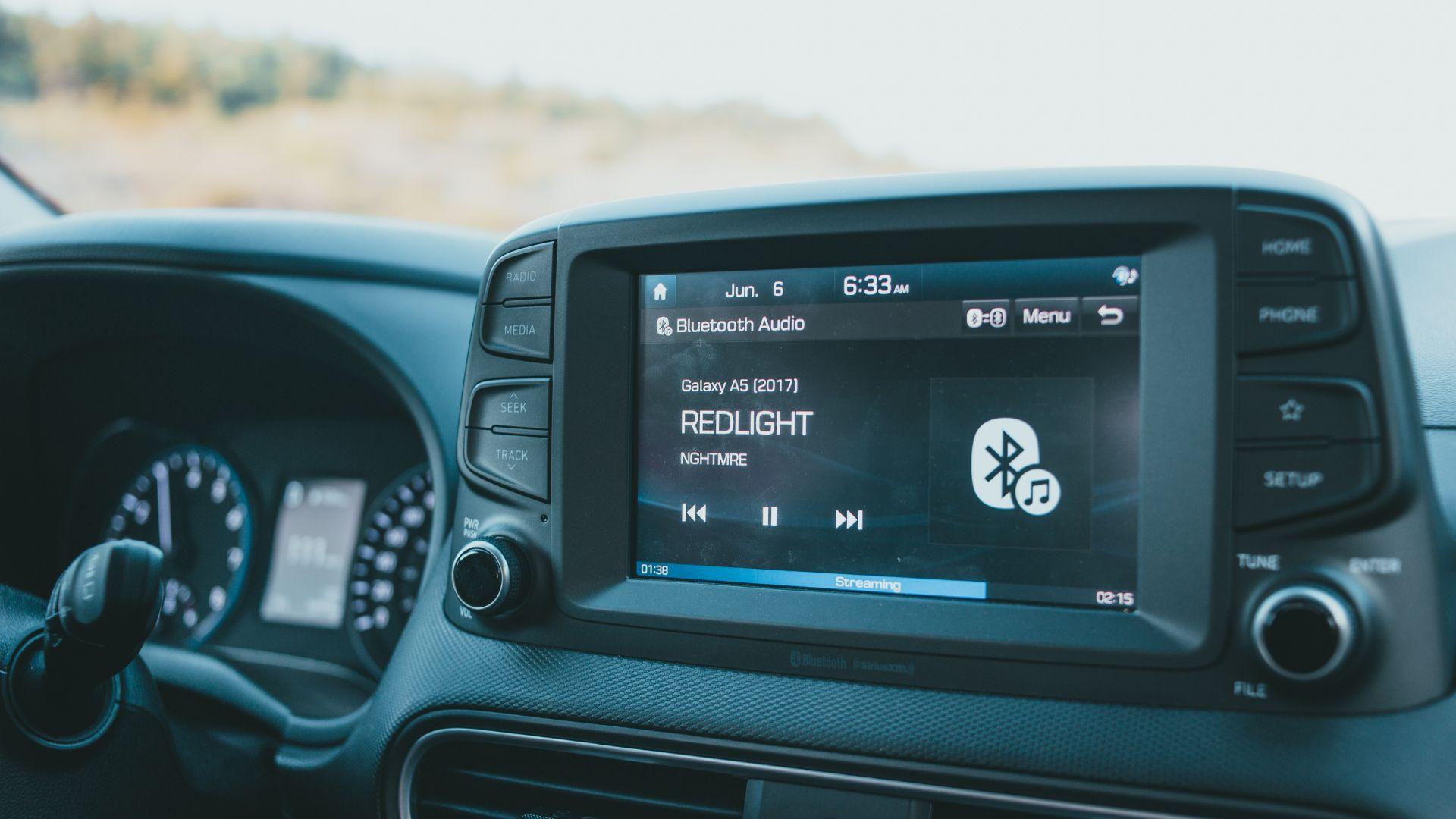
Connection stability matters a lot during daily commutes and road trips. A wired connection does not drop. Once your phone is connected via USB or Lightning cable, it stays connected for the entire drive.
Wireless connections depend on Bluetooth pairing and communication standards between devices. Most modern head units handle automatic connection quickly and reliably. However, interference from other devices or multiple devices in the vehicle can cause issues.
If multiple drivers share one vehicle, wireless can simplify the experience. Each phone connected to the system pairs automatically when it enters range. This makes wireless a great idea for families or fleet vehicles with multiple drivers.
A wired setup works best when one driver uses the same phone every day. Plug in, connect, and enjoy consistent performance without thinking about it. That kind of reliable, repeatable experience appeals to many drivers who value simplicity.
Cable Clutter Vs. Wireless Convenience
Physical cables are the biggest complaint about wired setups. A Lightning cable or USB-C cord runs from your phone to the source unit. That cable can clutter your center console or dashboard area quickly.
Wireless systems eliminate cable clutter entirely. Your phone sits wherever you prefer without anything tying it to the head unit. This creates a cleaner, less distracting driving environment for many people.
There is a trade-off, though. Wireless connectivity draws on your phone’s battery while in use. A wired connection charges your device while sending audio, which is a significant advantage on long drives.
Browse the full lineup of car audio accessories to find cables, mounts, and add-ons that keep your setup tidy and functional.
Wireless Technology And Device Compatibility
Wireless technology has advanced rapidly in recent years. Today’s Bluetooth standards support high-quality audio, stable connections, and hands free calling simultaneously. Most new head units support the latest Bluetooth versions right out of the box.
Device compatibility is worth checking before you commit to a wireless experience. Older phones may not support wireless CarPlay or the latest Bluetooth audio codecs. A usb memory stick or wired connection may work better with older devices.
Check your phone’s compatibility before upgrading your system. Not every Android device supports wireless Android Auto yet. Compatibility continues to expand, but it is not universal across all phones and operating systems.
View available brands and compatible head units to find options that match your specific phone and preferences.
Which System Is Right For You?
Choosing between wired and wireless depends on what matters most to you. Here is a simple breakdown to guide your decision.
Choose wired if you:
- Want to prioritize sound quality and consistent performance
- Drive long distances and need your phone to charge during the trip
- Use the same phone every day and prefer a simple, plug-in setup
- Care deeply about connection stability and uninterrupted audio signals
Choose wireless if you:
- Prefer a clean, cable-free interior and center console
- Share the vehicle with multiple drivers who use different phones
- Want the convenience of automatic connection without plugging anything in
- Do not need to charge your phone while driving
Both wired and wireless car audio systems have a place in modern vehicles. The best choice is the one that fits your lifestyle and how you actually use your car.
Professional Installation Makes The Difference
Whether you go wired or wireless, professional installation ensures everything works correctly. A properly installed head unit delivers better sound quality performance and a cleaner look. Poor installation can cause white noise, connection issues, and audio problems that no amount of settings will fix.
The team at Limitless Electronics has been installing car audio systems in eastern Idaho for over 30 years. From basic upgrades to fully custom installs, the experience and knowledge are here to help. Stop by at 467 E. Anderson St., Idaho Falls, ID 83401, and talk through your options in person.
Ready To Upgrade Your Car Audio?
Do not guess when it comes to your car audio setup. Get expert advice from people who have been doing this for decades. Whether you are considering wired or wireless, the right guidance saves you time and money.
Contact Limitless Electronics or call 208-524-8050 today. The team is ready to help you find the right system for your vehicle, your phone, and your budget. Call now and get your upgrade scheduled.
Limitless Electronics | 467 E. Anderson St., Idaho Falls, ID 83401 | 208-524-8050 | limitlesselectronics.com