

Choosing between wired vs. wireless car audio is one of the most common questions we hear. Drivers want convenience, but they also want quality. Understanding the real difference helps you make the right call for your vehicle.
Both options have legitimate strengths. The better choice depends on your priorities, your car, and how you actually use your audio system day to day.
What Does Wired Vs. Wireless Actually Mean?
When people talk about wired vs. wireless in car audio, they’re usually talking about Apple CarPlay, Android Auto, or how your phone connects to your car’s infotainment system.
A wired connection uses a USB port and either a Lightning cable or USB-C cable to plug your phone directly into the vehicle. A wireless connection uses Wi-Fi and Bluetooth together to replicate that same experience without any cables.
Both wired and wireless CarPlay support the same core apps. You get Apple Maps, Apple Music, phone calls, and other compatible apps on your screen either way. The difference is how your phone communicates with the car.
Wired CarPlay: Reliable, Simple, And Proven
Wired Apple CarPlay has been around longer, and most car owners are already familiar with it. You plug in your Lightning cable or USB-C, and the connection is instant. There’s no pairing process, no dropout, and no lag.
From an audio quality standpoint, a wired CarPlay connection has a real advantage. The wired connection carries audio signals directly through the USB port. This eliminates the compression that can happen over a wireless connection.
Some listeners claim there’s an audible difference between the two, especially when streaming high-quality audio through Apple Music. Whether you’ll actually notice depends on your speakers, your head unit, and how critical an ear you have. For most people, the difference is subtle. For serious audio enthusiasts, it matters.
Wired CarPlay also keeps your phone charged while it’s connected. That’s a practical benefit if you’re using navigation or streaming music on a long drive. You won’t deal with battery drain the same way you would with wireless.
The downside is physical. You have to plug in every single time. If your USB port is in an awkward spot, or your cable gets worn out, it becomes a minor but constant annoyance.
Wireless CarPlay: The Case For Cutting The Cable
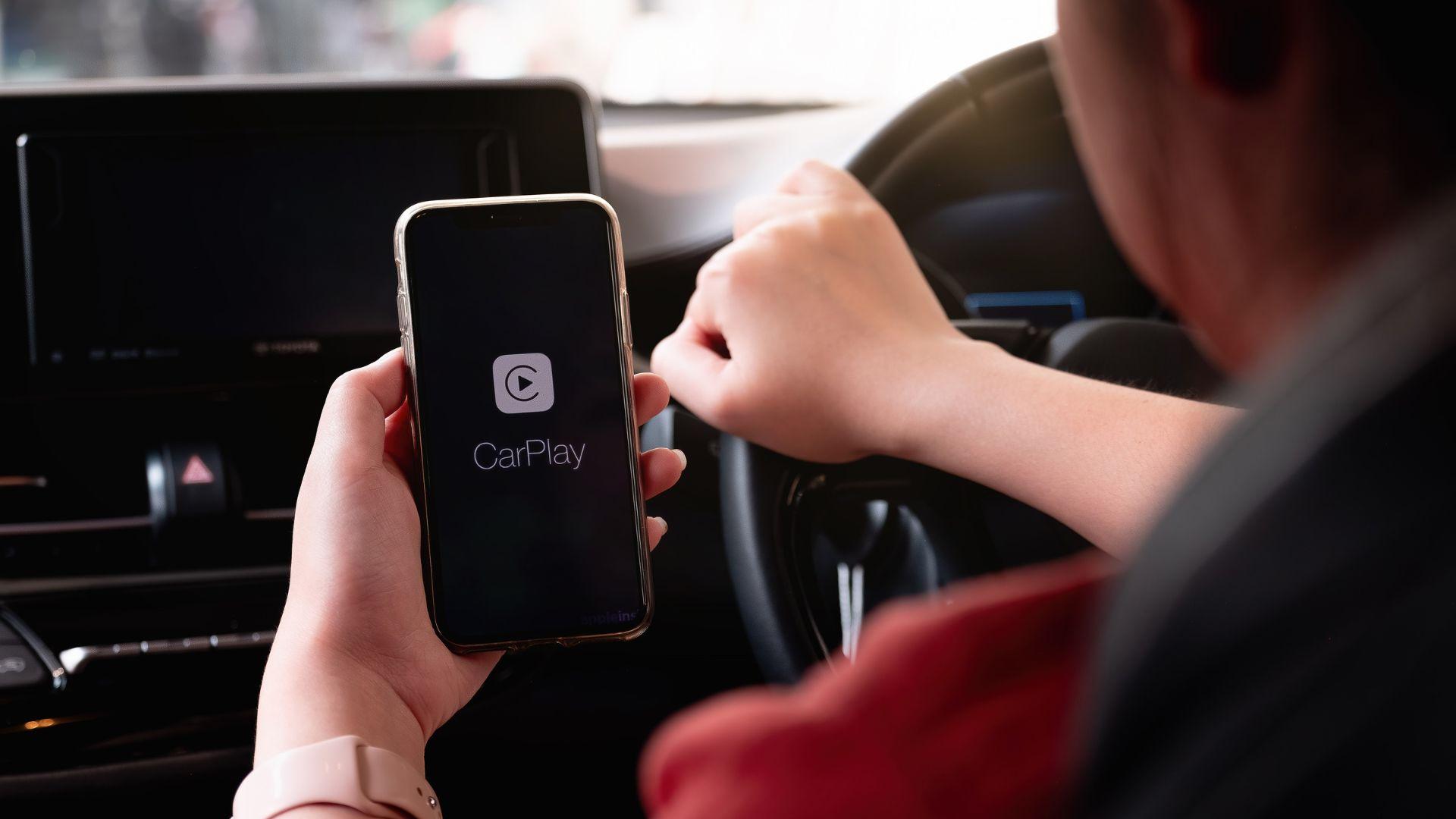
Wireless Apple CarPlay removes the need to plug in your phone every time you get in the car. You connect once, and after that, your phone and car recognize each other automatically. Walk up to your vehicle, get in, and your infotainment system is ready.
That convenience is real, and for many drivers, it’s reason enough to prefer wireless. If you’re constantly running in and out of your car, or if you share the vehicle with others, a wireless setup genuinely makes life easier.
The trade-off is reliability. Wireless CarPlay depends on both Wi-Fi and Bluetooth simultaneously. If either signal drops or gets interrupted, you can experience lag or a brief disconnect. Most modern head units handle this well, but it’s not as rock-solid as a direct wired connection.
Wireless also affects your phone’s battery faster. Running both Wi-Fi and Bluetooth together while using navigation and streaming music puts a noticeable load on your phone. You’ll want a charger nearby if you plan to use wireless CarPlay on long drives.
Some vehicles with older infotainment systems don’t support wireless CarPlay at all. If your car supports only wired CarPlay, wireless adapters are available. These plug into your USB port and act as a bridge. They work well in most cases, though they add cost and another device to manage.
Does CarPlay Sound Better Wired Or Wireless?
This question comes up often, and the honest answer is: it depends on your setup.
Audio signals travel more cleanly over a wired connection. There’s no compression introduced by Bluetooth, and no data connection overhead from Wi-Fi. For a true audiophile, wired CarPlay is the better choice.
That said, wireless CarPlay has improved significantly. Modern head units handle the wireless audio stream well. Most people listening to music through average speakers won’t notice a meaningful audible difference.
If you’re upgrading your full car audio system and investing in quality speakers and amplifiers, it makes more sense to use wired. You’ve already paid for quality. Don’t introduce unnecessary compression into the signal chain.
Wired And Wireless: Can You Have Both?
Yes, and many drivers do exactly that. Some head units support both wired and wireless CarPlay, letting you switch based on what’s convenient. You might plug in when you need to charge and go wireless when you’re on a quick errand.
If your current head unit only supports one option, an upgrade could open up both. Our team can walk you through which head units support wired and wireless CarPlay and which setup makes the most sense for your vehicle and habits.
Android Auto works similarly. Wired Android Auto has been available longer. Wireless Android Auto is newer but increasingly well-supported. The same general trade-offs apply: wired wins on stability and audio quality, wireless wins on convenience.
What About Bluetooth And Other Wireless Options?
Not every driver uses CarPlay or Android Auto. Some prefer to connect via Bluetooth directly, which is a simpler wireless setup. Bluetooth audio quality is generally lower than CarPlay over either wired or wireless. It doesn’t carry the same high-fidelity signal.
Some older vehicles still have a headphone jack or a USB stick input. These offer basic connectivity but lack the smart integration of CarPlay. If your car is missing modern connectivity options entirely, a new head unit is usually the most effective upgrade.
Which Option Is Right For You?
Here’s a straightforward way to think about it.
Choose wired if you prioritize audio quality, reliability, and keeping your phone charged. It suits drivers who don’t mind plugging in and want the most stable, consistent connection possible.
Choose wireless if convenience is your top priority. It suits drivers who want a cleaner setup without cables cluttering their center console or dealing with a USB port every time they get in.
For most people, either option delivers a great experience. The gap in sound quality is real but modest for everyday listening. The gap in convenience is also real, and for daily commuters, wireless often makes more sense.
If you’re unsure which setup works best for your specific vehicle, we can help. Stop by or give us a call and we’ll talk through your options.
Ready To Upgrade Your Car Audio Setup?
Whether you’re looking to add wireless CarPlay, upgrade to a full new head unit, or overhaul your entire car audio system, we’ve been doing this for over 30 years. Our shop is located at 467 E. Anderson St., Idaho Falls, ID 83401.
Call us at 208-524-8050 to talk through your options or schedule an install. You can also reach out online and we’ll get back to you. We’ll help you find the right setup for your vehicle and the way you drive.